The Ultimate Guide to Choosing a Bedside Bassinet: Safety, Comfort, and Convenience
Introduction
As new parents step into the exciting yet overwhelming world of childcare, one necessary item that often tops the list is a bedside bassinet. These spaces serve as a safe sleeping area for newborns while allowing parents to keep close proximity throughout the night. With a myriad of choices offered on the market today, comprehending the functions, benefits, and factors to consider for a bedside bassinet can make a considerable difference in the general parenting experience.
This article will check out the various kinds of bedside bassinets, safety standards, key functions to think about, and some regularly asked questions to help you make a notified decision.
What is a Bedside Bassinet?
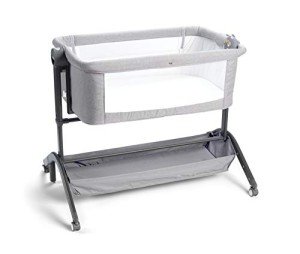
A bedside bassinet is a sleeping space designed for newborns and infants, typically used for the very first few months of a baby's life. It is normally smaller than a crib and uses the benefit of being placed next to an adult bed, making it possible for parents to tend to their babies easily throughout nighttime.
Kinds Of Bedside Bassinets
There are several kinds of bedside bassinets readily available, each designed with distinct features and benefits:
- Co-Sleeping Bassinets: These are developed to connect firmly to the side of the parent's bed, permitting easy access during nighttime feedings and reassuring without totally co-sleeping.
- Standalone Bassinets: These are free-standing variations that sit beside your bed but do not connect. While they use up more space, they can in some cases provide a bigger sleeping area.
- Travel Bassinets: Lightweight and portable, these bassinets are designed for households on the go. They can be folded or dismantled quickly, providing convenience while traveling.
- Convertible Bassinets: Some models can change into cribs or playards, extending their life expectancy and making them a more economical choice.
Benefits of Using a Bedside Bassinet
Going with a bedside bassinet can provide many advantages, including:
- Convenience: Parents can easily access their baby throughout the night for feeding, soothing, or diaper changes without getting out of bed.
- Security: Bassinets are developed particularly for infants, frequently adhering to safety guidelines that assist lower the risk of Sudden Infant Death Syndrome (SIDS).
- Convenience: Babies can feel secured with their parents close by, promoting a sense of safety that is favorable to better sleep.
- Space-saving: Bedside bassinets are usually compact and easy to suit smaller sized bedrooms.
Secret Safety Features to Consider
When choosing a bedside bassinet, making sure safety is vital. Here are a few essential security functions to consider:
- Stable Base: Ensure the bassinet has a tough structure that can not tip over easily. Inspect that wheels lock into place to avoid motion.
- Breathable Fabrics: Look for materials that allow air flow to minimize the risk of suffocation.
- Height Adjustability: A bassinette that adjusts to the height of your bed can enhance security and convenience.
- No Drop Sides: Select models that do not have drop sides, as they can position a risk of the baby falling out or getting trapped.
- Accreditation: Always ensure that the bassinet complies with security standards set by acknowledged agencies like the American Academy of Pediatrics (AAP).
Additional Features to Look For
Aside from safety, here are some extra functions to think about when searching for the best bedside bassinet:
- Storage Space: Some bassinets feature integrated storage for basics like diapers, wipes, and attire.
- Rocking or Gliding Mechanism: This can assist relieve babies who have difficulty settling to sleep.
- Sound and Light Features: Some models consist of calming sounds, nightlights, or forecasts that can assist relieve infants to sleep.
- Washable Components: Make sure detachable covers and sheets are maker washable for easy cleansing.
Choosing the best bedside bassinet is a crucial decision that can profoundly affect the early parenting experience. By understanding Bedside Cot For Optimal Sleep Arrangements offered, their advantages, essential security features, and additional conveniences, parents can make an informed option to guarantee both their baby's comfort and safety.
Eventually, the right bedside bassinet must cater to individual family needs while boosting the bond between parents and their newborns throughout those valuable first couple of months.
FAQs about Bedside Bassinets
1. How long can I use a bedside bassinet for my baby?
Many bassinets are designed for infants as much as about 4 to 6 months, or until the baby can roll over, pull up, or exceed the weight limitation specified by the maker (generally around 20-30 pounds).
2. Are bedside bassinets safe for co-sleeping?
While bedside bassinets offer close distance, it's essential to ensure they're firmly connected to the bed. Always follow standards for safe sleeping to reduce the danger of SIDS.
3. Can I use a bedside bassinet for an early baby?
Yes, many bedside bassinets can accommodate early infants. However, it's vital to seek advice from a pediatrician for recommendations based on your baby's particular requirements.
4. What should I look for in terms of mattress security in a bedside bassinet?
Make certain that the mattress fits securely versus the sides of the bassinet with no gaps. The bed mattress needs to be firm and covered with a fitted sheet to lower the threat of suffocation.
5. Are there any specific cleansing guidelines I should follow?
A lot of bassinets have removable covers that can be washed. Constantly follow the manufacturer's directions for cleansing and keeping the bassinet.
By addressing these questions, parents can navigate the decision-making procedure regarding bedside bassinets more efficiently, ensuring security and comfort as they welcome their little one into the world.